


ADA-Konformität 2026: Vollständiger Leitfaden
3.948 ADA-Website-Klagen wurden 2025 eingereicht. 45 % richteten sich gegen Unternehmen, die bereits zuvor verklagt worden waren. Diese Seite erklärt, was der ADA verlangt, welcher seiner fünf Titel für Ihre Website gilt und wie Konformität nach dem Launch tatsächlich aussieht.
3.117
Klagen zur Web-Barrierefreiheit vor US-Bundesgerichten im Jahr 2025
27%
Anstieg gegenüber dem Vorjahr ab 2024
45%
Der bundesweiten ADA-Klagen im Jahr 2025 richteten sich
gegen Unternehmen, die bereits zuvor verklagt worden waren
77%
Der Klagen richten sich gegen E-Commerce-Websites

Was ist der ADA und
wen deckt er ab
Der Americans with Disabilities Act wurde 1990 in Kraft gesetzt. Er
verbietet die Diskriminierung von Menschen mit Behinderungen in den Bereichen Beschäftigung, öffentliche Dienstleistungen und Orte
öffentlicher Unterbringung.
Der ADA erwähnte Websites ursprünglich nicht. Gerichte und das
US-Justizministerium haben konsequent festgestellt, dass digitale
Angebote unter die Verpflichtungen des Gesetzes fallen.
Bundesgerichte haben in Fall um Fall entschieden, dass eine nicht
barrierefreie Website eine diskriminierende Barriere darstellt.
Im April 2024 veröffentlichte das DOJ eine Final Rule, die WCAG 2.1 AA offiziell als technischen Standard für Websites staatlicher und lokaler Behörden unter Title II kodifiziert. Die Frist zur Konformität für große
öffentliche Einrichtungen war der 24. April 2026. Websites des privaten Sektors unter Title III unterliegen demselben Standard, der durch Rechtsstreitigkeiten angewendet wird.
Durchsetzungsrealität
3.117 Klagen im Jahr 2025: Was
die Zahlen tatsächlich zeigen
Bundesgerichte erhielten 2025 insgesamt 3.117 Klagen zur Web-Barrierefreiheit. Das ist ein Anstieg von 27 % gegenüber 2024, das selbst einen zweijährigen Rückgang umkehrte. Das Muster ist zurück.
New York bleibt mit 1.021 bundesweiten Einreichungen der führende Bundesstaat. Florida verdoppelte sein Volumen auf 961. Illinois entwickelte sich zu einem neuen Durchsetzungszentrum und stieg innerhalb eines einzigen Jahres von 28 auf 585 Fälle.
Die Fälle sind konzentriert, aber nicht begrenzt. 77 % betreffen E-Commerce. Kleine Unternehmen mit weniger als 25 Millionen US-Dollar Umsatz stellten in den letzten Jahren die Mehrheit der Beklagten.
Die Zahlen sind nicht abstrakt. Dies sind Klagen, die gegen Unternehmen wie Ihres eingereicht wurden. Fehlende Anforderungen an Barrierefreiheit sind kein theoretisches Risiko. Es ist ein dokumentiertes, wachsendes und messbares Risiko.
Warum Unternehmen zweimal
verklagt werden
45–46 % aller bundesweiten ADA-Klagen zur digitalen Barrierefreiheit im Jahr 2025 richteten sich laut dem UsableNet-Bericht 2025 (https://beaccessible.com/post/web-accessibility-statistics/) gegen Unternehmen, die bereits zuvor verklagt worden waren. Das ist kein Zufall. Es ist ein Muster. Unternehmen schließen Vergleiche. Sie beheben den zugrunde liegenden Code nicht. Dieselben Verstöße bleiben bestehen. Dieselben Kläger kehren zurück.
Die Hauptursache ist eine Annahme: dass Barrierefreiheit einmal erledigt und abgeschlossen ist. Das zeigt sich darin, wie Unternehmen auf Aufforderungsschreiben reagieren — das offensichtliche Problem beheben, den Vergleich zahlen, weitermachen. Es zeigt sich darin, wie Unternehmen den Launch angehen — ein Tool konfigurieren, bestätigen, dass es läuft, Konformität als erledigt markieren.
In der ersten Hälfte des Jahres 2025 richteten sich laut dem Halbjahresbericht von EcomBack (https://www.ecomback.com/ada-website-lawsuits-recap-report/2025-mid-year-ada-website-lawsuit-report) 22,6 % der Klagen zur Web-Barrierefreiheit gegen Websites, auf denen bereits ein Barrierefreiheitstool installiert war. Das Tool war nicht das Problem. Die Annahme dahinter war es.
Im Januar 2025 schloss die Federal Trade Commission einen Vergleich über 1 Million US-Dollar mit einem großen Anbieter für Barrierefreiheit und verwies dabei auf eine irreführende Darstellung von Konformitätsfähigkeiten. Die Regulierungsbehörden bestätigten, was die Klagedaten bereits zeigten: Eine einmalige Installation ist nicht gleichbedeutend mit fortlaufender Konformität.
Der Gegner ist die Überzeugung, dass Barrierefreiheit ein einmaliger Moment ist, keine Praxis.
Was ADA-Konformität tatsächlich erfordert
Gerichte und DOJ-Leitlinien verweisen auf WCAG 2.1 Level AA als Standard zur Bewertung, ob eine Website
die ADA-Verpflichtungen erfüllt. WCAG 2.1 AA enthält 50 Erfolgskriterien über vier Prinzipien hinweg.


„WCAG 2.1 AA ist ein Standard auf Code-Ebene. Konformität erfordert eine korrekte Implementierung im Quellcode. Sie kann nicht nachträglich durch ein Skript angewendet werden, das erst nach dem Rendern der Seite geladen wird. Automatisierte Scans erkennen 30–40 % der Verstöße. Der Rest erfordert eine Expertenprüfung. Accesstive kombiniert beides und dokumentiert jede Feststellung, damit Sie einen Konformitätsnachweis haben, nicht nur einen Score.“
Welche Branchen dem höchsten
Risiko ausgesetzt sind
77 % der ADA-Klagen zur Web-Barrierefreiheit betreffen E-Commerce. Doch kein Sektor bleibt außerhalb dieses Musters.
Wenn das auf Sie zutrifft: Was jetzt zu tun ist
Das rechtliche Risiko ist plattformübergreifend gleich. Die Risikokonzentration ist es nicht.


Wie eine konforme Website in der Praxis aussieht
ADA-Konformität ist kein Zustand, den man erreicht. Sie ist eine Praxis, die man aufrechterhält. Sie ist ein dokumentierter, fortlaufender Nachweis, der belegt, dass Sie Verstöße gefunden, behoben und weiterhin behoben haben.
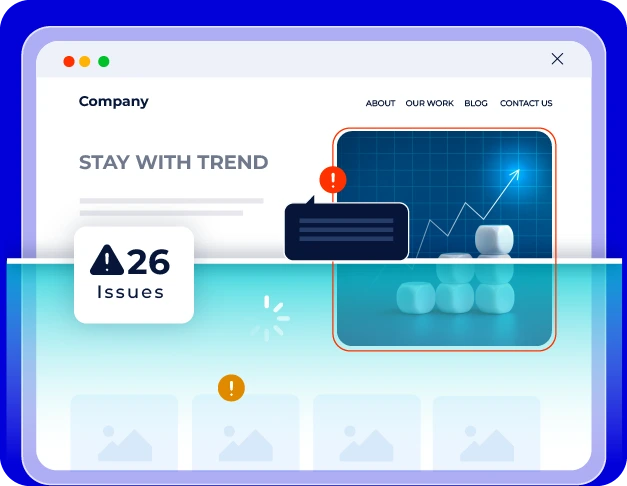
Jedes Mal, wenn neue Inhalte veröffentlicht, eine neue Komponente hinzugefügt, ein Template aktualisiert oder ein Drittanbieter-Skript eingesetzt wird — kann sich der Barrierefreiheitsstatus der Seite ändern. Eine Seite, die im Januar ein Audit besteht, kann im März bei einem Scan durchfallen.
Was kontinuierliche Konformität erfordert: regelmäßige automatisierte Scans, um Fehler auf Code-Ebene zu erkennen. Manuelle Expertenprüfung für Probleme, die Automatisierung nicht erkennen kann. Dokumentierte Behebung mit einem überprüfbaren Audit-Trail. Regelmäßige erneute Tests nach jeder wesentlichen Website-Änderung.
Das ist der Unterschied zwischen Organisationen, die gerichtliche Verfahren vermeiden, und Organisationen, die immer wieder dieselben Ansprüche vergleichen.
Barrierefreiheit Einhaltung Plattform
Wie Accesstive die Lücken schließt, die interne Teams nicht systematisch aufrechterhalten können
Dokumentation
Die Anforderungen an die Erklärung
zur Barrierefreiheit
Unternehmen können verpflichtet sein, ihren Barrierefreiheitsstatus zu dokumentieren und Nutzern mitzuteilen. Eine Barrierefreiheitserklärung legt das Konformitätsniveau, bekannte Einschränkungen, eine Kontaktstelle für Nutzer, die auf Barrieren stoßen, sowie den rechtlichen Rahmen offen, unter dem das Unternehmen tätig ist.
In den USA ist eine Barrierefreiheitserklärung eine dokumentierte Best Practice und wird im Zusammenhang mit Vergleichsverhandlungen zunehmend erwartet. Wenn ein Aufforderungsschreiben eintrifft, signalisiert eine aktuelle, veröffentlichte Barrierefreiheitserklärung guten Willen. Sie kann verändern, wie die Verhandlung beginnt.
Erstellen Sie eine konforme Barrierefreiheitserklärung für Ihre Website mit dem Accesstive Accessibility Statement Generator → /statement-generator

FAQs
Ja. Bundesgerichte haben wiederholt entschieden, dass kommerzielle Websites Orte öffentlicher Unterbringung unter ADA Title III sind. Die DOJ Final Rule von 2024 übernimmt WCAG 2.1 AA offiziell für Regierungs-Websites. Gerichte wenden denselben Standard auf Fälle privater Unternehmen an. Keine Ausnahme für kleine Unternehmen oder reine Online-Händler.
WCAG 2.1 Level AA. Entwickelt vom World Wide Web Consortium (W3C). Umfasst 50 Erfolgskriterien über vier Prinzipien hinweg: Wahrnehmbar, Bedienbar, Verständlich, Robust. Wird in ADA Title III-Rechtsstreitigkeiten angewendet und ist unter der DOJ-Regel von 2024 für Regierungs-Websites offiziell vorgeschrieben.
Ja. 64 % der ADA-Website-Klagen im Jahr 2025 richteten sich gegen Unternehmen mit Jahresumsätzen unter 25 Millionen US-Dollar (EcomBack 2025). Es gibt keine Umsatzgrenze oder Größenausnahme in ADA Title III. Kleine Unternehmen schließen schnell Vergleiche und sind häufige Ziele.
Verbietet privaten Unternehmen, die der Öffentlichkeit dienen, Menschen mit Behinderungen zu diskriminieren. Gerichte haben Title III auf kommerzielle Websites angewendet und entschieden, dass Online-Shops Orte öffentlicher Unterbringung sind. Grundlage für die Mehrheit der ADA-Klagen zur digitalen Barrierefreiheit gegen E-Commerce-Unternehmen.
Nein. 22,6 % der Klagen zur Web-Barrierefreiheit im ersten Halbjahr 2025 richteten sich gegen Websites, auf denen bereits ein Barrierefreiheitstool installiert war (EcomBack H1 2025). Das Problem ist nicht das Tool – es ist die Annahme, dass eine einmalige Einrichtung fortlaufende Konformität bedeutet. Zusätzlich richteten sich 45–46 % der bundesweiten ADA-Klagen 2025 gegen wiederholte Beklagte (UsableNet), was zeigt, dass ein Vergleich ohne Behebung der grundlegenden Code-Probleme wiederholte Rechtsstreitigkeiten begünstigt.
Erforderlich unter ADA Title II für Regierungsstellen. Für private Unternehmen unter Title III keine gesetzliche Pflicht, wird aber als Nachweis guten Willens bei Durchsetzungsentscheidungen und Gerichtsverfahren betrachtet. Für alle Websites empfohlen.
Beginnen Sie mit einem automatisierten Scan, um WCAG-Verstöße zu identifizieren. Automatisierte Tools erkennen 30–40 % der Barrierefreiheitsprobleme. Der Rest erfordert manuelle Tests mit assistiven Technologien. Führen Sie einen kostenlosen Scan unter accesstive.com/free-accessibility-checker durch.
Keine gesetzlichen Geldbußen bei privaten Klägerfällen nach ADA Title III. Das finanzielle Risiko entsteht durch Vergleichskosten (5.000–75.000 US-Dollar) plus Rechtskosten (3.000–15.000 US-Dollar). DOJ-Durchsetzung unter Title II: zivilrechtliche Strafen bis zu 75.000 US-Dollar für den ersten Verstoß, 150.000 US-Dollar für nachfolgende Verstöße.
Title II: staatliche und lokale Behörden. WCAG 2.1 AA offiziell vorgeschrieben, Frist April 2026. Title III: private Unternehmen. Derselbe WCAG-Standard wird von Gerichten auf Grundlage der DOJ-Leitlinien angewendet – noch keine gleichwertige formelle Regel, aber konsequent durch Rechtsstreitigkeiten durchgesetzt.
Nach jeder wesentlichen Website-Aktualisierung. Neue Inhalte, Komponenten und Drittanbieter-Skripte verursachen WCAG-Fehler. Fortlaufendes automatisiertes Scanning kombiniert mit regelmäßiger manueller Prüfung ist der professionelle Standard und das, was Gerichte von Organisationen erwarten, die in gutem Glauben handeln.