

A Simple Way to Surface Accessibility Gaps
The Accesstive free accessibility checker is an AI-powered website accessibility scanner that identifies
common WCAG-related issues on a webpage. As a WCAG accessibility checker, it highlights detectable barriers like missing alt text,
contrast problems, and form labeling issues to guide accessibility improvements.
How Our Accessibility Checker Works
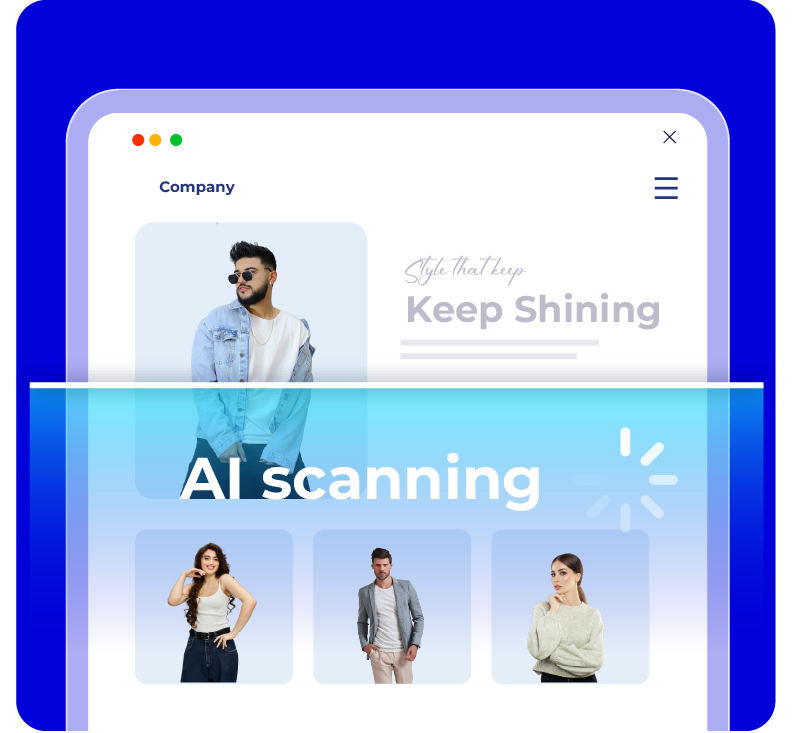
Enter your website URL to start an automated accessibility testing process. The scanner analyzes the provided page without requiring setup, login, or technical configuration.
Our AI-powered engine performs accessibility issue detection by evaluating page elements against detectable WCAG-related rules, identifying common barriers such as missing alt text, contrast issues, and form labeling problems.
Within seconds, you receive a clear overview of findings through a structured web accessibility analysis, highlighting potential issues and areas that may require deeper review or expert-led auditing.
You Need an Accessible Website.
Start with a Free Scan
Accesstive Free Audit gives you an instant look at your website’s most pressing accessibility barriers. By starting here, you’re already on the path to a safer, more inclusive digital presence, no hidden fees or lengthy signups required.


Accessibility Standards & Compliance Alignment
Accessibility compliance means aligning digital experiences with recognized standards such as WCAG, ADA, and EAA to ensure equal
access for all users. Accesstive supports widely adopted accessibility standards and regulations, helping organizations
manage compliance as an ongoing, structured process rather than a one-time technical exercise.


Find the Accessibility Standards That Apply to Your Region
Enter your location to see which accessibility standards and legal frameworks commonly apply to websites in your region, such as ADA in the United States, EAA and EN 301 549 in the European Union, or other global accessibility regulations, and understand the level of accessibility you should monitor.
Laws you will face
Why Accesstive Is Different
from Other Accessibility Scanners


FAQs
No. A free accessibility checker helps identify common, detectable accessibility issues, but it cannot evaluate real-world usability or guarantee compliance with WCAG, ADA, or EAA requirements.
No. Automated tools support early detection and awareness, but compliance requires manual testing, expert interpretation, and documentation.
Accessibility scanners are accurate for detecting rule-based, machine-detectable issues. However, they typically identify only a portion of accessibility barriers and cannot assess context or user experience.
No. Scan results are indicative only and are not intended for legal audits, certification, or regulatory submissions.
The tool detects common issues such as missing alternative text, color contrast problems, form labeling issues, and certain ARIA-related errors that can be identified automatically.
No. The free checker scans the provided URL or selected pages. Full site coverage requires advanced scanning or expert-led audits.
The checker references WCAG guidelines and supports awareness related to regulations such as ADA (US), EAA and EN 301 549 (EU), and other global accessibility frameworks.
Yes. The tool supports early accessibility awareness for EU websites preparing for EAA and EN 301 549 requirements, but it does not replace required expert reviews.
Yes. By flagging issues related to headings, labels, and alternative text, the checker can support clearer content structure and better usability, which may indirectly benefit search visibility.
Accessibility scans can be run regularly, especially after content updates, design changes, or feature releases, to maintain ongoing visibility into detectable issues.
No. Results are presented in clear, readable language designed for website owners, marketers, and non-technical teams.
If your site has complex interactions, serves regulated markets, or requires legal or procurement readiness, expert-led accessibility audits are recommended.