

Accessibility Monitoring & Compliance Tracking for WCAG, ADA & Digital Accessibility
Continuously monitor, track, and stay compliant with WCAG, ADA, and global accessibility standards, without manual rechecks.
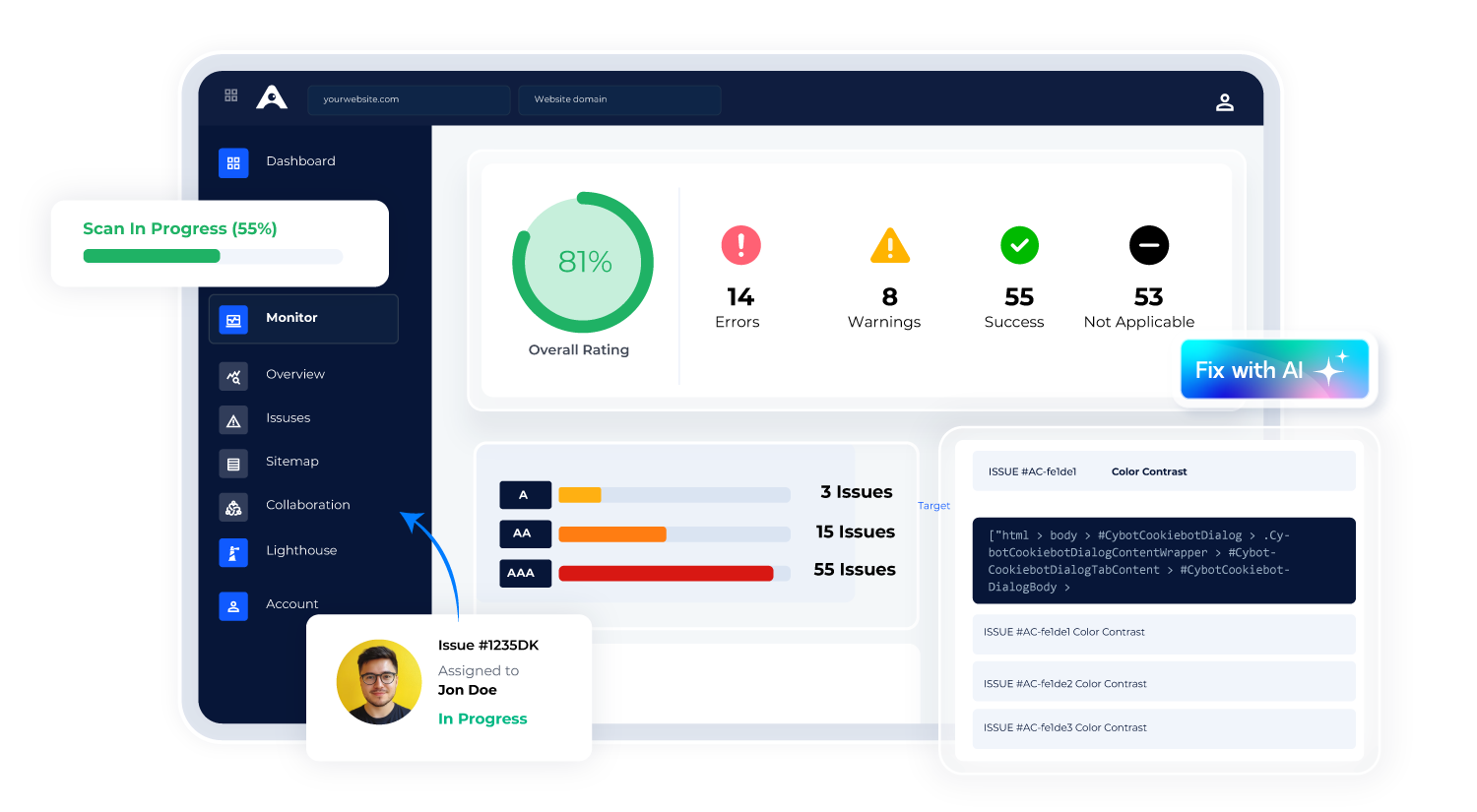
Built for Continuous Compliance
Accessibility monitoring is the ongoing tracking of website accessibility issues to ensure continuous
compliance with WCAG, ADA, and accessibility regulations as a website evolves.
How Accessibility Monitoring Works on Your Website
Crawl your website through manual or scheduled scans to detect accessibility issues.
Central dashboard to monitor trends and status, plus re-scans to confirm fixes and catch regressions.
Real-time alerts when new issues appear or old ones return, plus compliance-ready reports.
Live Accessibility Monitoring Dashboard & Walkthrough
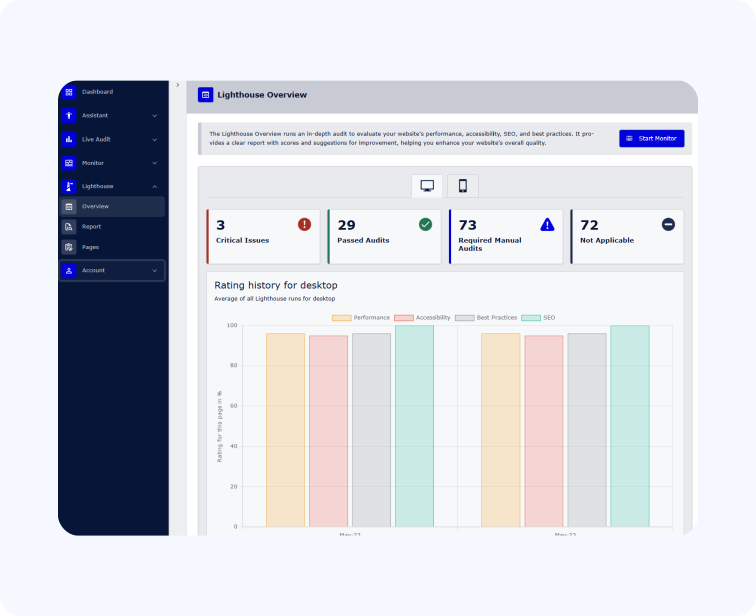
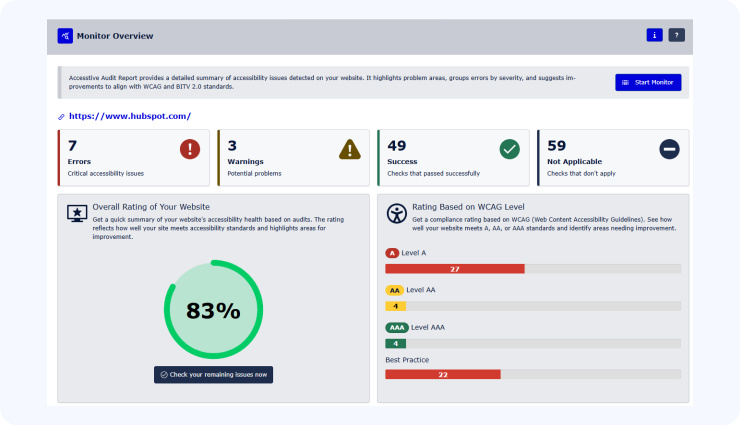
Access Monitor gives a real-time view of your site’s accessibility health, showing compliance status, issue severity, WCAG
breakdowns, and trends over time so teams know what works, what to fix, and how improvements progress.
From Automated Checks
to Advanced Collaboration Tools
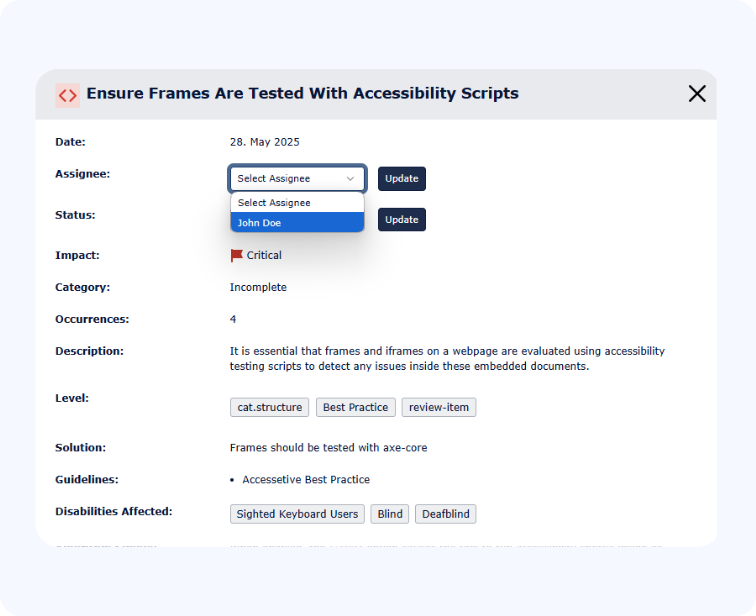
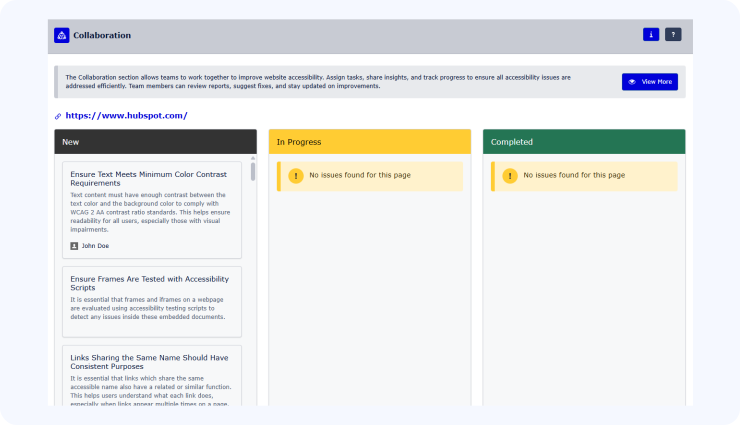
Access Monitor is powered by the same AI technologies that drive our Access AI Audit, ensuring swift detection of potential
WCAG and ADA-related issues across your entire website. With powerful dashboards, continuous monitoring,
and easy-to-use collaboration features, you’ll never miss an accessibility update again.
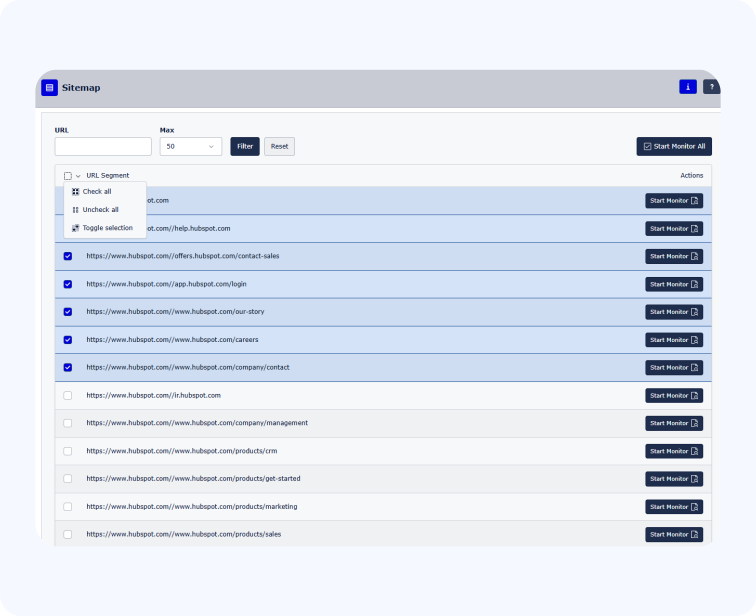
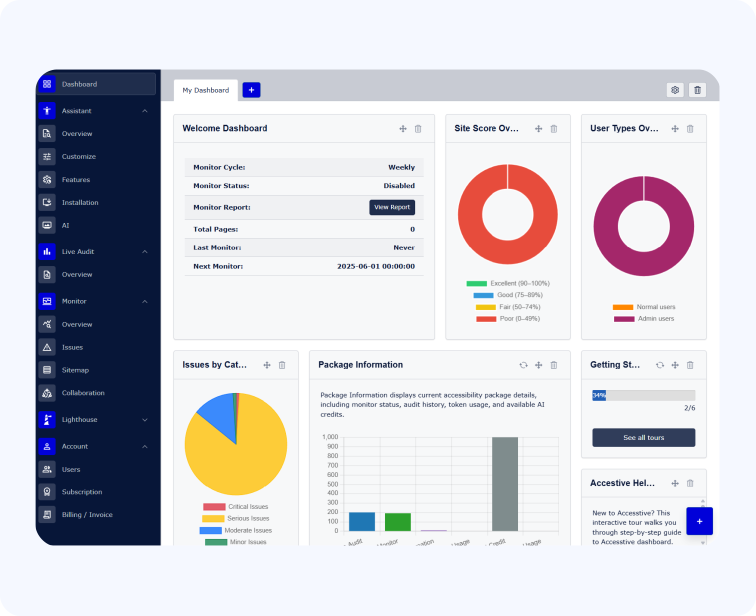
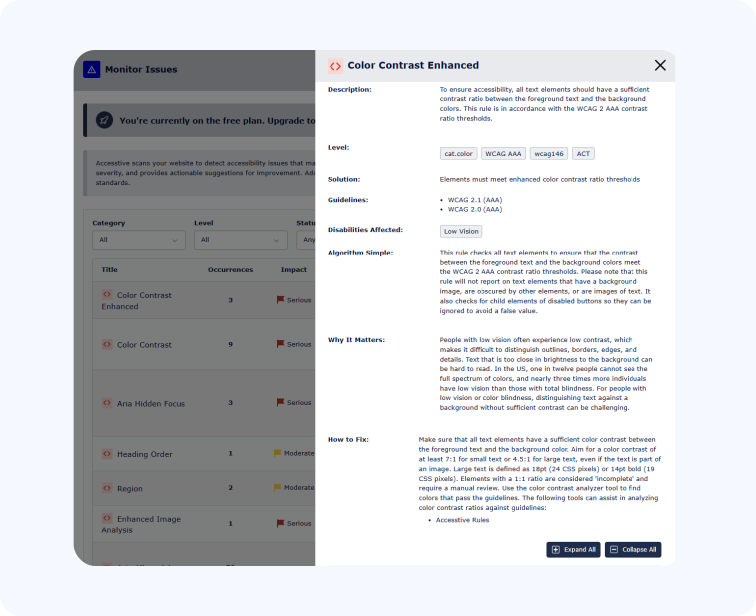
A Bird’s-Eye View of Your Website’s Accessibility

Accessibility Standards & Compliance Alignment
Accessibility compliance means aligning digital experiences with recognized standards such as WCAG, ADA, and EAA to ensure equal
access for all users. Accesstive supports widely adopted accessibility standards and regulations, helping organizations
manage compliance as an ongoing, structured process rather than a one-time technical exercise.


Find the Accessibility Standards That Apply to Your Region
Enter your location to see which accessibility standards and legal frameworks commonly apply to websites in your region, such
as ADA in the United States, EAA and EN 301 549 in the European Union, or other global accessibility
regulations, and understand the level of accessibility you should monitor.
Laws you will face
Accessibility Monitoring for Every Team











A Solution for Every Accessibility
& Engagement Challenge


Access Accy
AI Agent for user assistance, bridging accessibility & next-level engagement.
FAQs
Accessibility monitoring is the continuous process of scanning, tracking, and validating website accessibility issues over time to ensure ongoing compliance with standards like WCAG and ADA as content and code change.
Accessibility monitoring should run as often as your website changes. Low-change sites may need monthly scans, while content-heavy, e-commerce, SaaS, or regulated websites benefit from weekly or daily monitoring.
An accessibility audit identifies issues at a specific point in time, but monitoring is needed after an audit to ensure fixes remain effective and new issues do not appear as the website evolves.
Yes. Continuous accessibility monitoring detects regressions when previously fixed issues reappear due to content updates, design changes, or code releases.
Accessibility monitoring supports legal compliance by documenting ongoing efforts to identify, fix, and track accessibility issues. While it does not guarantee legal compliance, it helps demonstrate due diligence and risk awareness.
Accessibility monitoring uses automated scans and AI-assisted detection, combined with structured reporting and validation workflows. Manual reviews may still be required for complex accessibility scenarios.
Accessibility monitoring typically tracks compliance with WCAG guidelines (2.1 and 2.2) and supports regulations such as ADA, Section 508, and other global standards.
No. Accessibility monitoring does not replace manual audits. Audits provide in-depth analysis, while monitoring ensures accessibility is maintained continuously after fixes and updates.
Websites change frequently. Continuous monitoring is necessary to prevent accessibility issues from returning, maintain compliance, and ensure a consistent, inclusive user experience over time.
Yes. By continuously tracking issues and maintaining a record of fixes and improvements, accessibility monitoring can help reduce exposure to accessibility-related complaints and legal risks.